Why returning “just an image” broke the accessibility contract
This page preserves the full context around a real early-1990s photograph of Ken working as a waiter in Key West, later AI transformations of that photograph, a fictional HeyGen avatar and video, and an interaction failure in which the assistant returned a newly generated image with no explanation, no HTML context, and no package.
1. The real source photograph
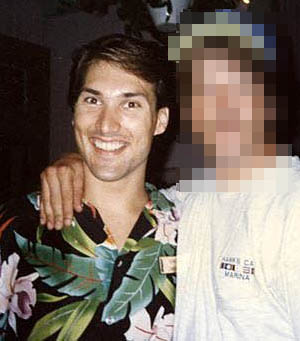
Exact source: https://8k.art/beta/_images/Ken-as-Waiter.jpg
2. AI enhancement and fictional reconstruction
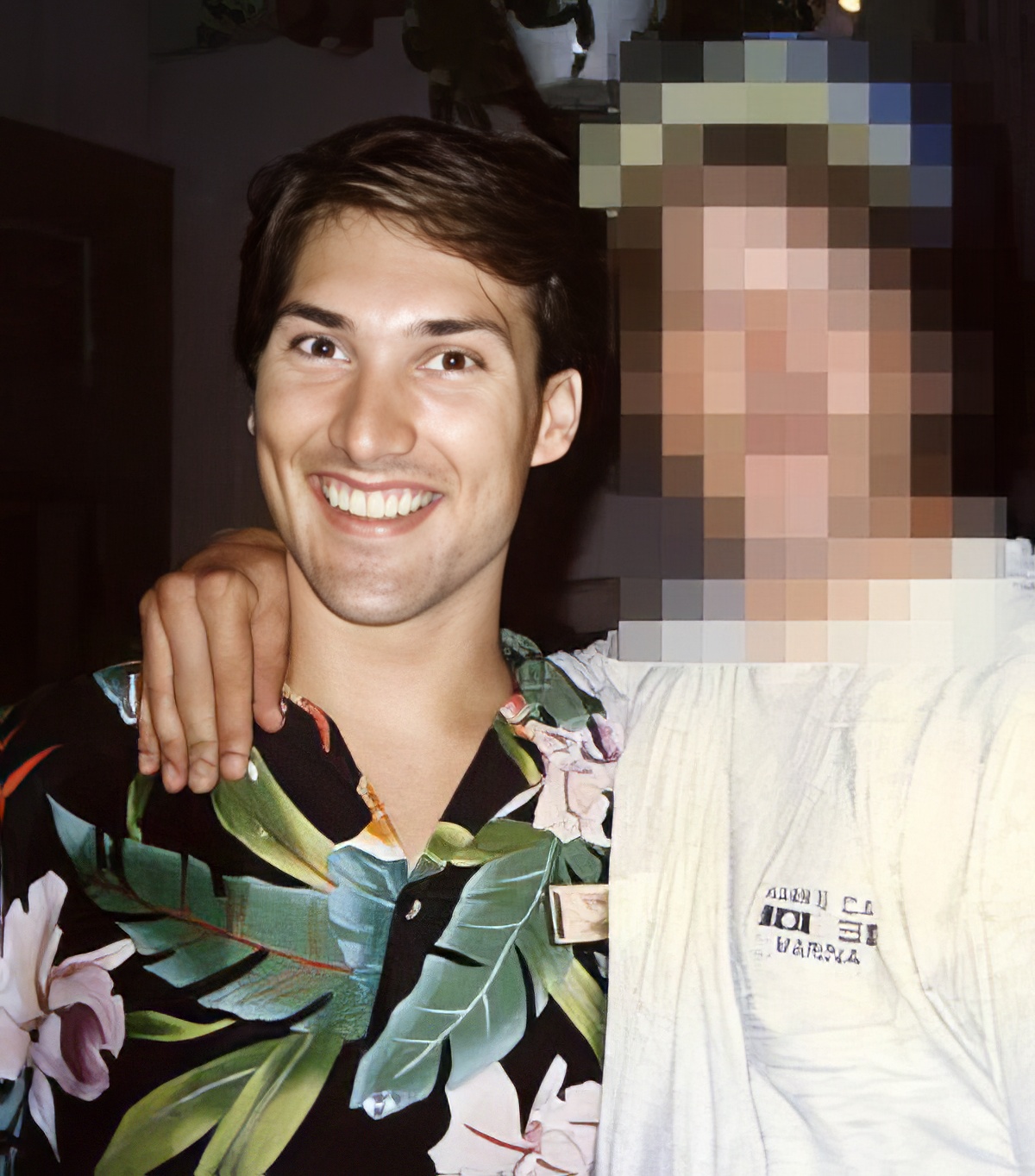
Exact source: https://8k.art/beta/_images/Ken-as-Waiter-2.jpg

Exact source: https://8k.art/beta/_images/Fictional-Ken-as-Waiter-AI-Avatar.png

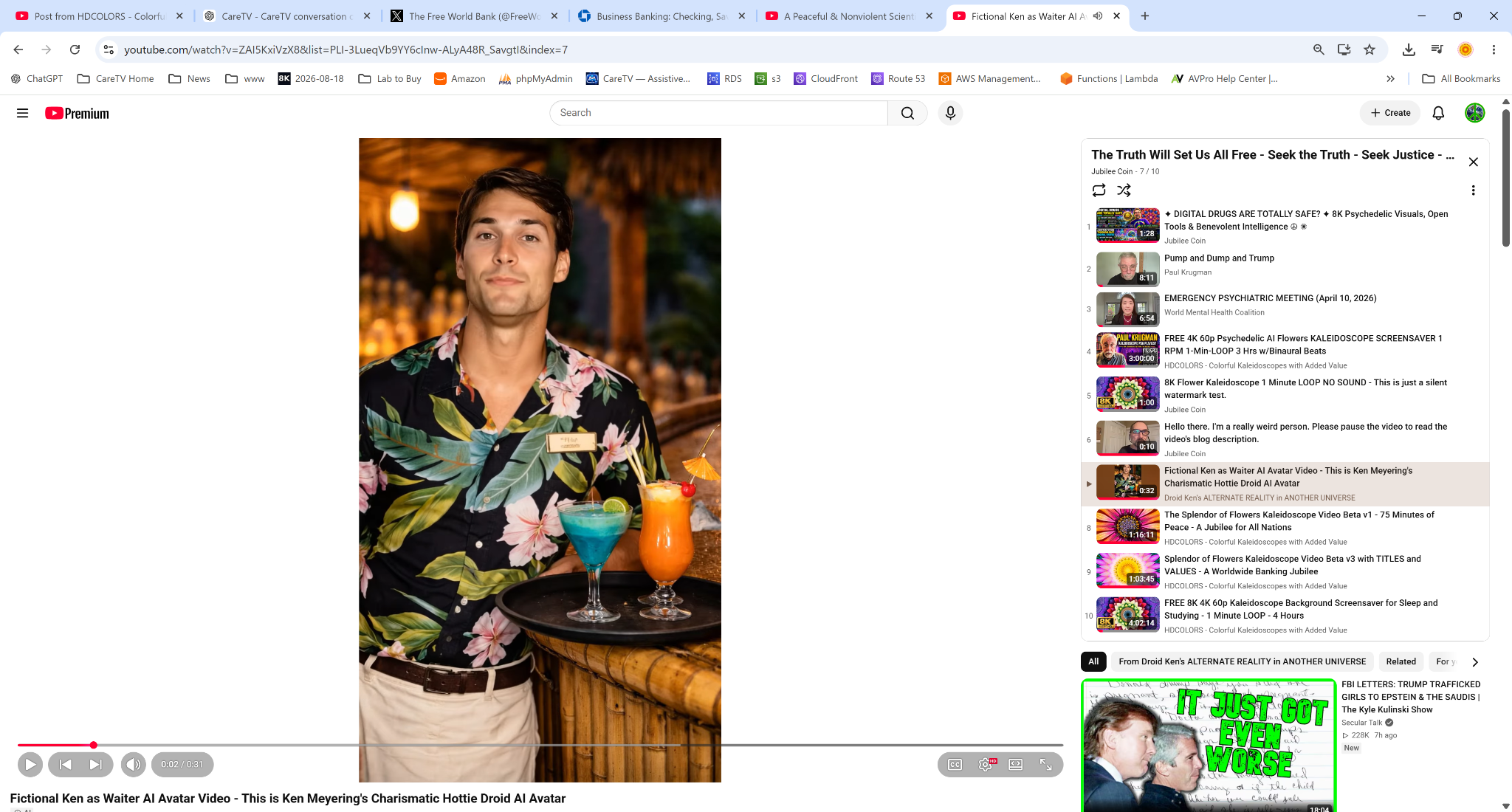
3. The exact fictional avatar video and playlist
Friendly context: This is the fictional AI-avatar MP4 Ken supplied. It is preserved here alongside the still images instead of being detached from the story that explains what it is.
Exact MP4: https://8k.art/beta/_images/Fictional-Ken-as-Waiter-AI-Avatar-Video.mp4
Exact YouTube video
Exact YouTube URL: https://www.youtube.com/watch?v=ZAI5KxiVzX8&list=PLI-3LueqVb9YY6cInw-ALyA48R_SavgtI
Exact YouTube playlist
Playlist ID: PLI-3LueqVb9YY6cInw-ALyA48R_SavgtI
4. The human context Ken was trying to preserve
Ken described working as a waiter in Key West in the early 1990s before being hired by INFOCALL. INFOCALL built airport kiosk-style telephone systems connecting travelers with food, transportation and hotels. Ken described working there with Macromedia Authorware on early Windows systems.
He also described a longstanding memory-related social problem: people sometimes remembered his name by joking that he looked like a human “Ken doll,” while he himself had difficulty remembering names and faces when people were outside the context in which he knew them. That is precisely why the historical photo, the story, the later AI reconstructions, and the present-day commentary should remain connected instead of becoming isolated media files.
5. What the assistant did wrong
The immediate mistake: the assistant chose an image-generation action when the task context required preservation, commentary, HTML context and packaging. That was the wrong tool/workflow choice.
What happened next: the image-generation path is designed to surface the generated image itself as the visible result. Once that wrong path was chosen, the normal explanatory response was effectively displaced. The result was exactly what Ken had repeatedly said not to do: a standalone generated picture with no surrounding explanation.
This was not caused by missing context from Ken. The conversation already contained the standing rule that supplied images and links should be echoed back with friendly context, and that generated graphics for this project should not be delivered as orphan images without HTML/package context.

6. The permanent rule this failure demonstrates
IMAGE OR VIDEO → echo it visibly → explain it in friendly language → preserve the original URL → connect it to the surrounding dialogue → package the context in HTML.
For public dialogue archives, images belong at the point in the conversation where they were introduced. Their captions should explain whether they are original evidence, an AI enhancement, a fictional reconstruction, a screenshot, or a generated derivative.
The broader accessibility principle is simple: